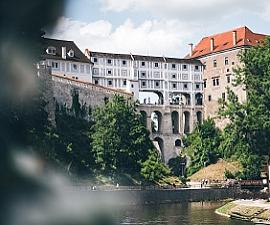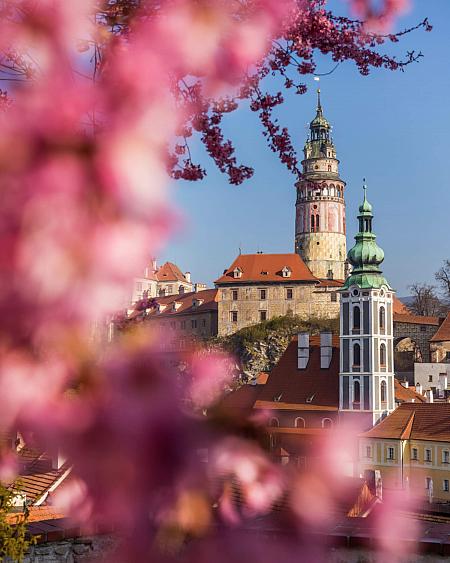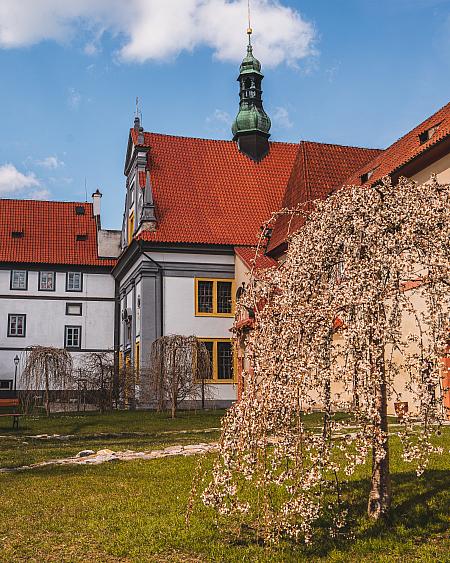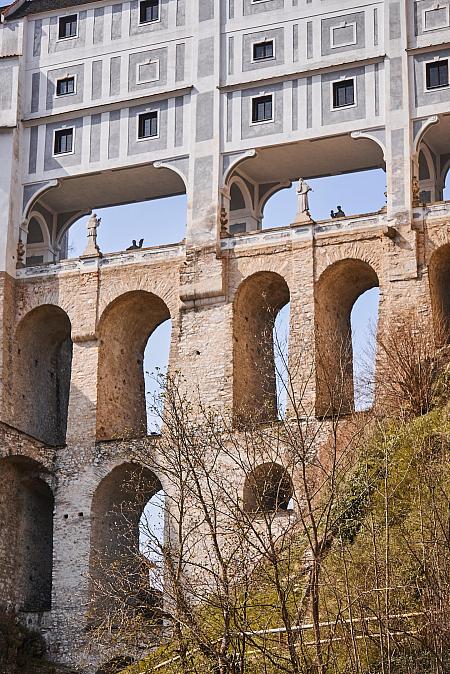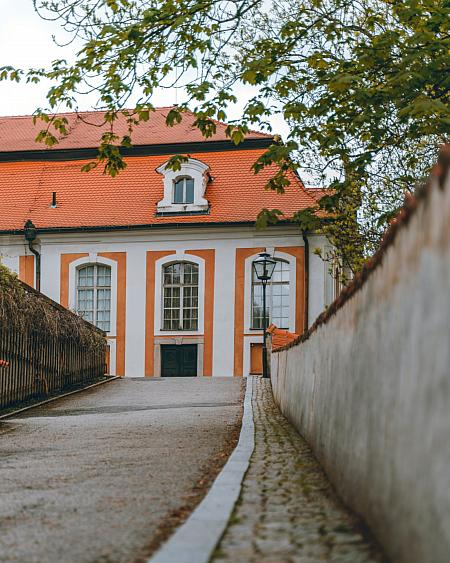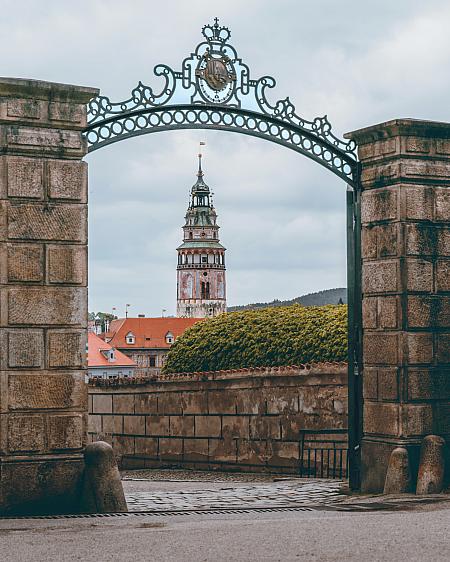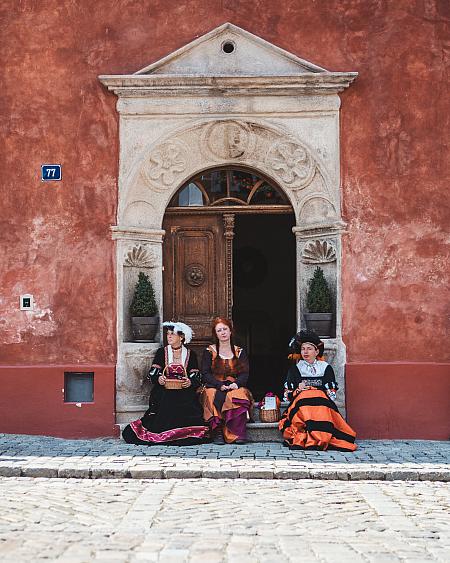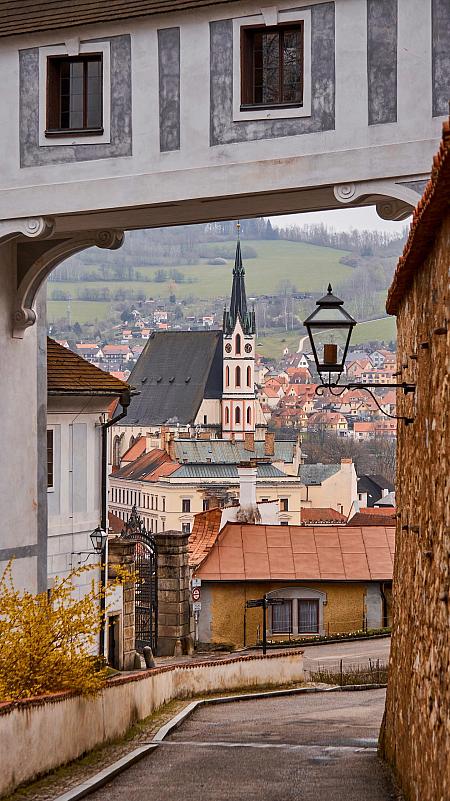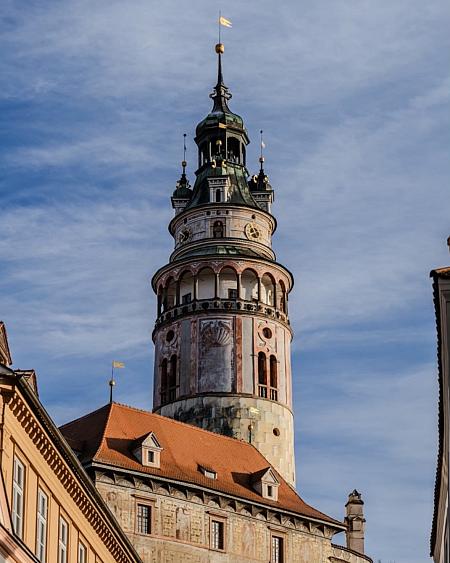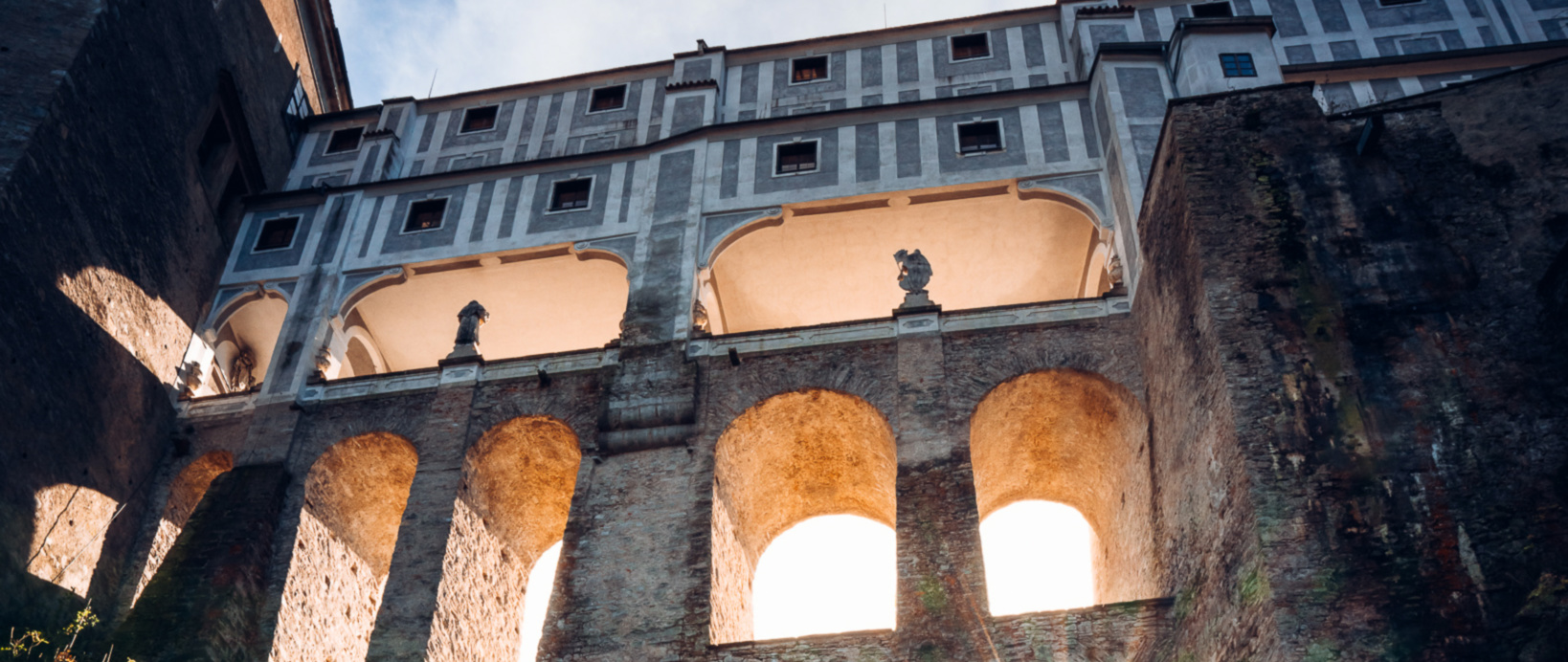
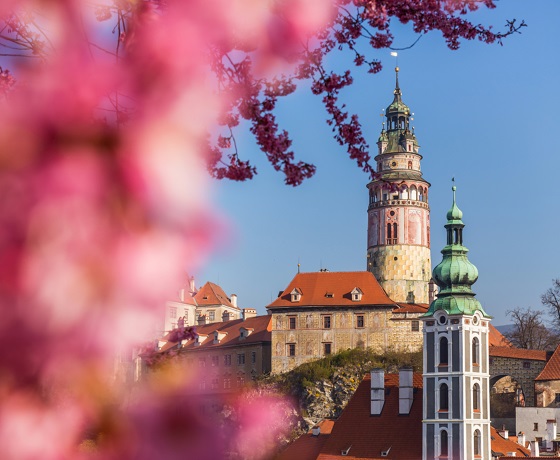
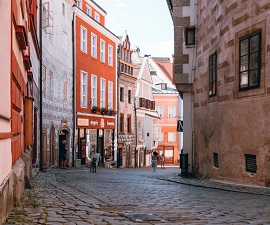
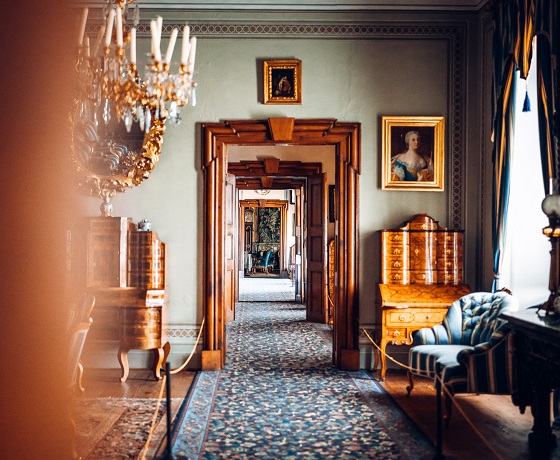
Český Krumlov State Castle with its architectural standard, cultural tradition, and expanse ranks among the most important historic sights in the central European region. Originally Gothic castle from 13th century was enlarged in 14th century and it was rebuit in the Renaissance style in 16th century. In 17th and 18th centuries the castle was modified in the Baroque and the Rococo style.After the castle tour, but also after the visitor sees the garden and the whole area of the castle he or she can feel like in the Middle Ages when the nobility walked through the corridors.

Hluboká and Vltavou Chateau are unquestionably one of the true pearls of the Czech Republic. It is situated on a hill above the Vltava river about 10 km north of České Budějovice.

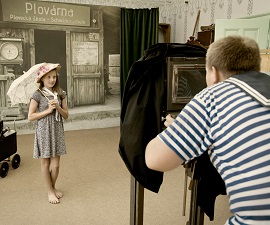
Welcome in the Museum Fotoatelier Seidel! In unique place where tradition of photography sprang up in the 19th century, in place where Time stood still.

This eight-nave chapel of Our Lady Dolorous and the Holy Cross built in 1710 is vaulted by an eight-part arch and covered with a tent-like roof topped with a lantern and a double cross.

The need for clean water was the main reason why from 15th century the citizens of Český Krumlov continually built a system of ducts to supply the town with water.

The construction of the Monastery started after its foundation, exactly in the mid-14th century. The temple Body of Christ arose probably as soon as in the 14th century, but the cloister of the monks was apparently finished only one and a half century later, toward the end of the 15th century.

Formerly on the site was a chapel or little church of St. Jošt. The church was established before 1334 by Peter I. von Rosenberg, and was a part of the Rosenbergs´ hospital (Latrán No. 13). The building remains with the preserved Gothic constructions and details.

A one-nave oblong building with a three-sided presbytery and an axial eastern sacristy. Three-axial western facade with rounded corners is topped by a shield gable with volutes and niches cut inside the round corners.

Architectural gem, the neo-Gothic octagonal tower became the second dominant Český Krumlov. The church occasionally becomes a venue for concerts of classical music

Built in Nouveau-Romanesque style in 1909 by the local Jewish community, the Cesky Krumlov Synagogue features an eight-sided tower with Torah-shaped windows.

In 1843,because of the rusty condition the fountain was abolished, and a new one was built by the Plague Column in the upper part of the square.
|
|
This project was cofounded by the South Bohemian Region |